Scratched Rolex clasp: why it gets marked so quickly and how to avoid everyday scratches
Why does a Rolex clasp scratch so easily?
The clasp is one of the most exposed areas of a Rolex, as it is located on the underside of the wrist. Unlike the dial or bezel, it regularly comes into contact with surfaces when you put your hand down.
The most common situations are simple:
-
resting your wrist on a desk;
-
using a laptop;
-
typing on a keyboard;
-
driving with your wrist against the steering wheel;
-
handling keys, a phone, or a doorknob;
-
placing the watch on a table without protection.
These repeated contacts create micro-scratches. They may be very fine at first, then become more visible over time, especially on the polished parts of the clasp.
Is it normal to have scratches on a Rolex clasp?
Yes, it's normal. A regularly worn Rolex will almost always show micro-scratches, especially on the clasp. Even with high-quality steel, a watch remains exposed to everyday friction.
This doesn't mean the watch is fragile. It simply means it's being worn. The problem isn't the first micro-scratch itself, but the accumulation of marks over months.
For some owners, these marks are part of the watch's life. For others, especially when it's a recent Rolex, a gold piece, a Daytona, a Datejust, or a model intended to remain in excellent condition, these marks quickly become a nuisance.
Which parts of the clasp scratch the most?
The most sensitive areas are generally:
-
The outer face of the clasp
This is the most exposed area when the wrist rests on a surface. -
The edges of the clasp
They can mark more quickly in case of contact with a desk, table, or hard object. -
Polished surfaces
Polished finishes show micro-scratches faster than brushed surfaces. -
The buckle of Oysterflex bracelets
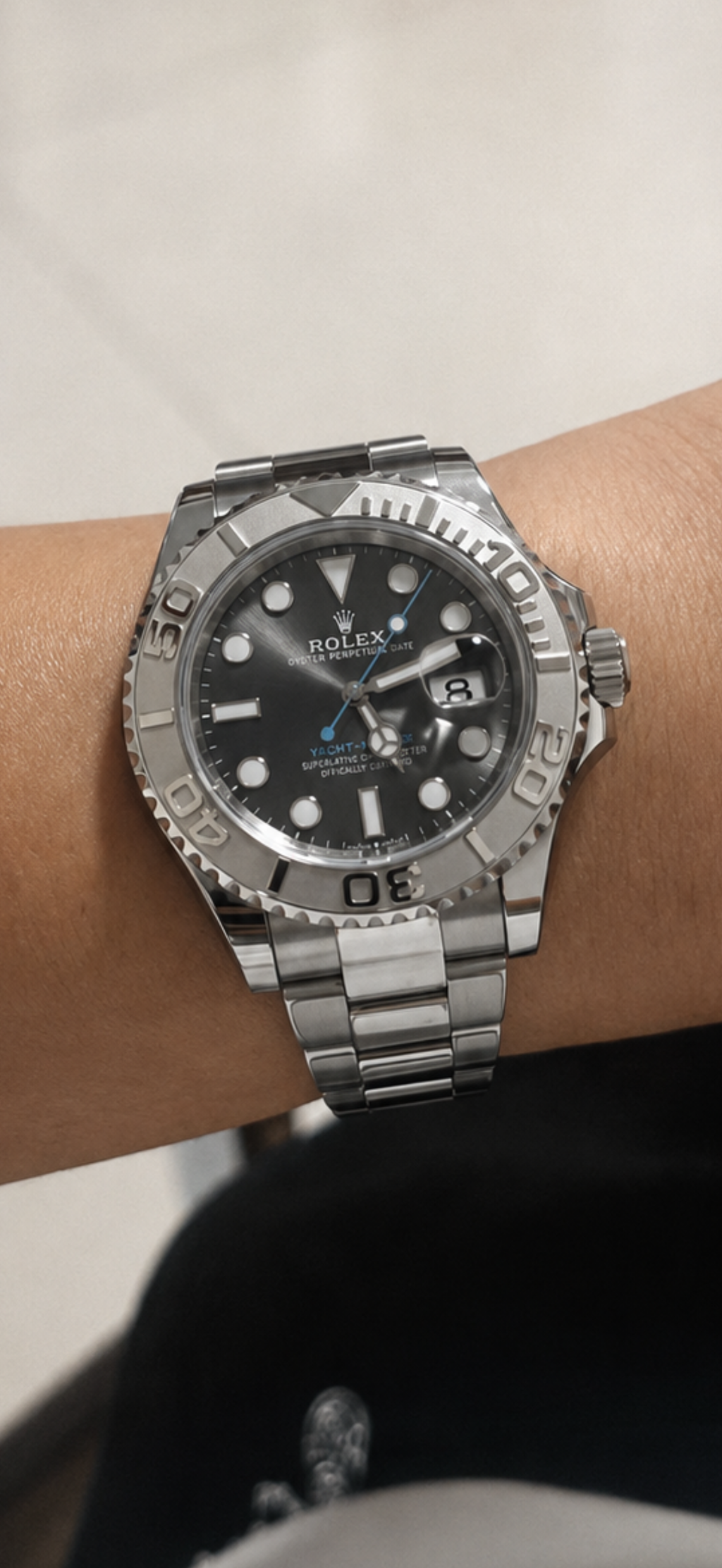
On some Rolex Daytona or Yacht-Master models, the clasp remains very exposed despite the rubber strap. -
The areas around the clasp's safety mechanism
Repeated handling can create marks over time.
Does a Rolex Oyster, Jubilee, or Oysterflex scratch differently?
Yes. The type of bracelet influences the visibility of scratches, but the clasp always remains a sensitive area.
Oyster Bracelet
The Oyster bracelet is robust and sporty. It often alternates brushed and sometimes polished surfaces depending on the reference. Micro-scratches can quickly appear on the polished central links and on the outer clasp.
Jubilee Bracelet
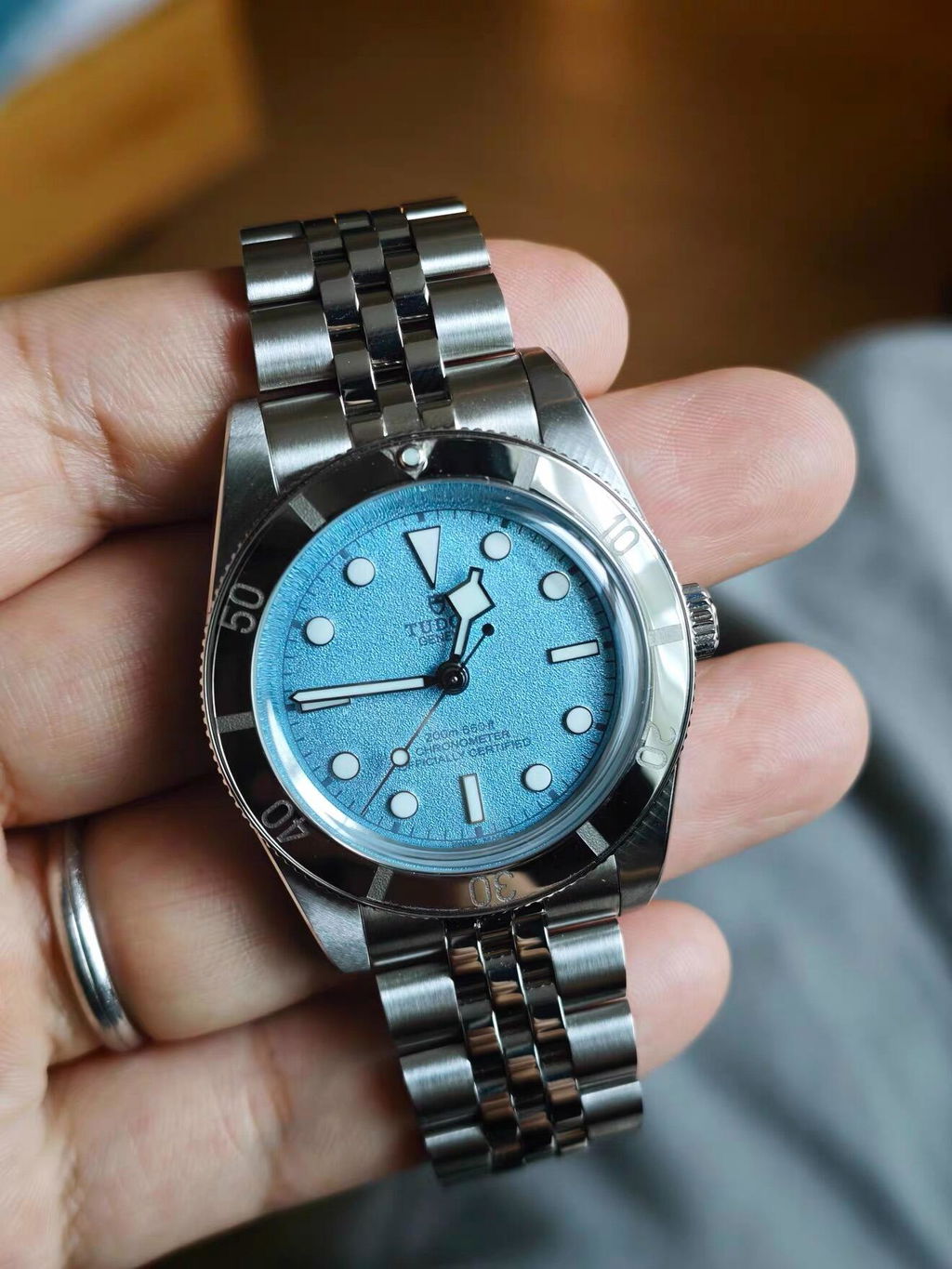
The Jubilee bracelet has more links and more reflective surfaces. Small scratches can sometimes blend into the complexity of the bracelet, but the clasp remains visible when marked.
Oysterflex Bracelet
The Oysterflex limits scratches on the bracelet itself, but not on the clasp. On a Daytona Oysterflex, for example, the clasp remains a very exposed area, especially in an office setting.