Quick answer: The best way to prevent scratches on a Rolex is to protect the most exposed areas (case, bracelet, and clasp), avoid abrasive daily contact, and limit polishing. A custom transparent protection like ChronoSkin PreserveLayer™ absorbs micro-scratches while preserving the watch's original appearance.
Summary
- Why does a Rolex scratch?
- Which parts are most sensitive?
- Can scratches be avoided?
- Is polishing a good solution?
- Why protect a new Rolex?
- The best solutions to protect a Rolex
- Frequently asked questions
Why does a Rolex scratch?
A Rolex is designed to last for decades, but no watch is completely immune to scratches.
The 904L Oystersteel used by Rolex offers excellent corrosion resistance and maintains a remarkable shine. However, polished surfaces remain naturally susceptible to micro-scratches caused by daily contact.
Models like the GMT-Master II, the Submariner, the Datejust, the Daytona, or the Explorer all have areas that mark more quickly.
The parts that scratch the most
- Clasp
- Case sides
- Lugs
- Polished links
- Crown guards
- Oyster or Jubilee buckle
The clasp is usually the first part to show signs of wear.
What causes scratches?
In most cases, scratches do not come from a major impact.
They appear during very common actions:
- working at a desk;
- driving;
- carrying a bag;
- handling luggage;
- placing the watch on a table;
- rubbing against a wall;
- wearing a metallic bracelet on the same wrist.
These repeated contacts gradually create micro-scratches.
Can a Rolex be prevented from scratching?
It is impossible to guarantee absolute protection.
However, it is entirely possible to greatly reduce the risks.
The principle is simple: prevent the metal from coming into direct contact with abrasive surfaces.
Should your Rolex be polished?
Polishing helps to reduce existing scratches.
However, it is not a preventive solution.
Each polish removes a tiny layer of metal to restore the surface.
Over the years, multiple polishes can:
- soften certain edges;
- slightly alter the finishes;
- be less sought after by certain collectors.
This is why many owners prefer to protect their watch before scratches appear.
The best solutions to avoid scratches
1. Use custom transparent protection
Today, there are polyurethane films specifically developed for luxury watches.
Unlike thick cases, they fully preserve the watch's design.
ChronoSkin has developed PreserveLayer™, a transparent 150-micron film cut specifically for each Rolex reference.
Depending on the kit chosen, the protection covers:
- the case;
- the clasp;
- the bracelet.
The goal is simple: to preserve the watch's original finish daily.
2. Use a travel case
When the watch is not worn, a rigid microfiber-lined case can prevent many impacts.
3. Avoid bracelets on the same wrist
Metallic bracelets are one of the main causes of scratches on the case sides.
4. Regularly clean your Rolex
Dust or abrasive particles can cause marks when trapped between the bracelet and the case.
Why protect a new Rolex?
A new watch is in its original condition.
Each micro-scratch gradually alters this condition.
Installing protection from the first days helps preserve for longer:
- polished finishes;
- satin-finished surfaces;
- the aesthetic appearance of the watch.
ChronoSkin PreserveLayer™
ChronoSkin develops kits specifically adapted to the most popular Rolex references:
- GMT-Master II
- Submariner
- Daytona
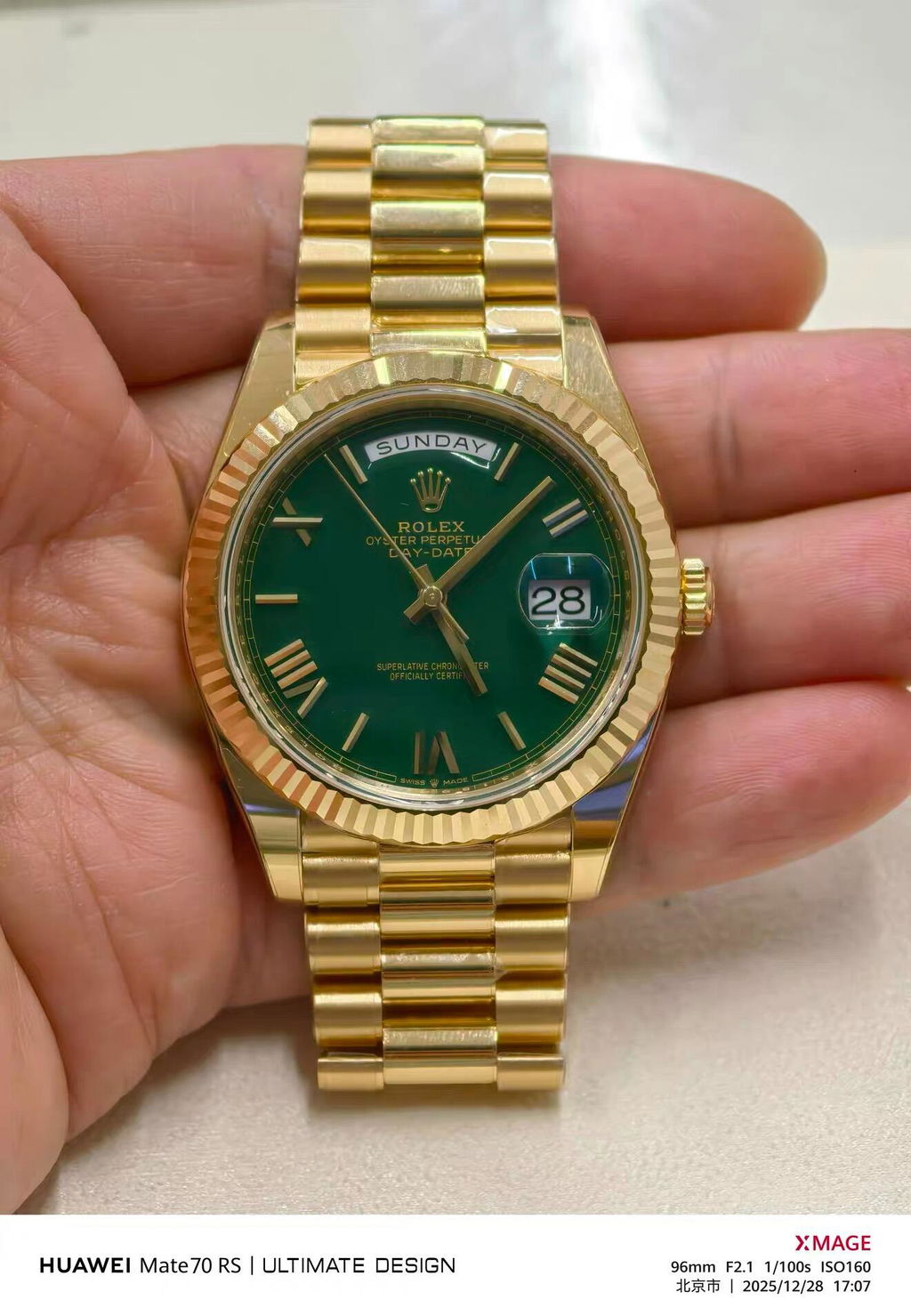
- Datejust
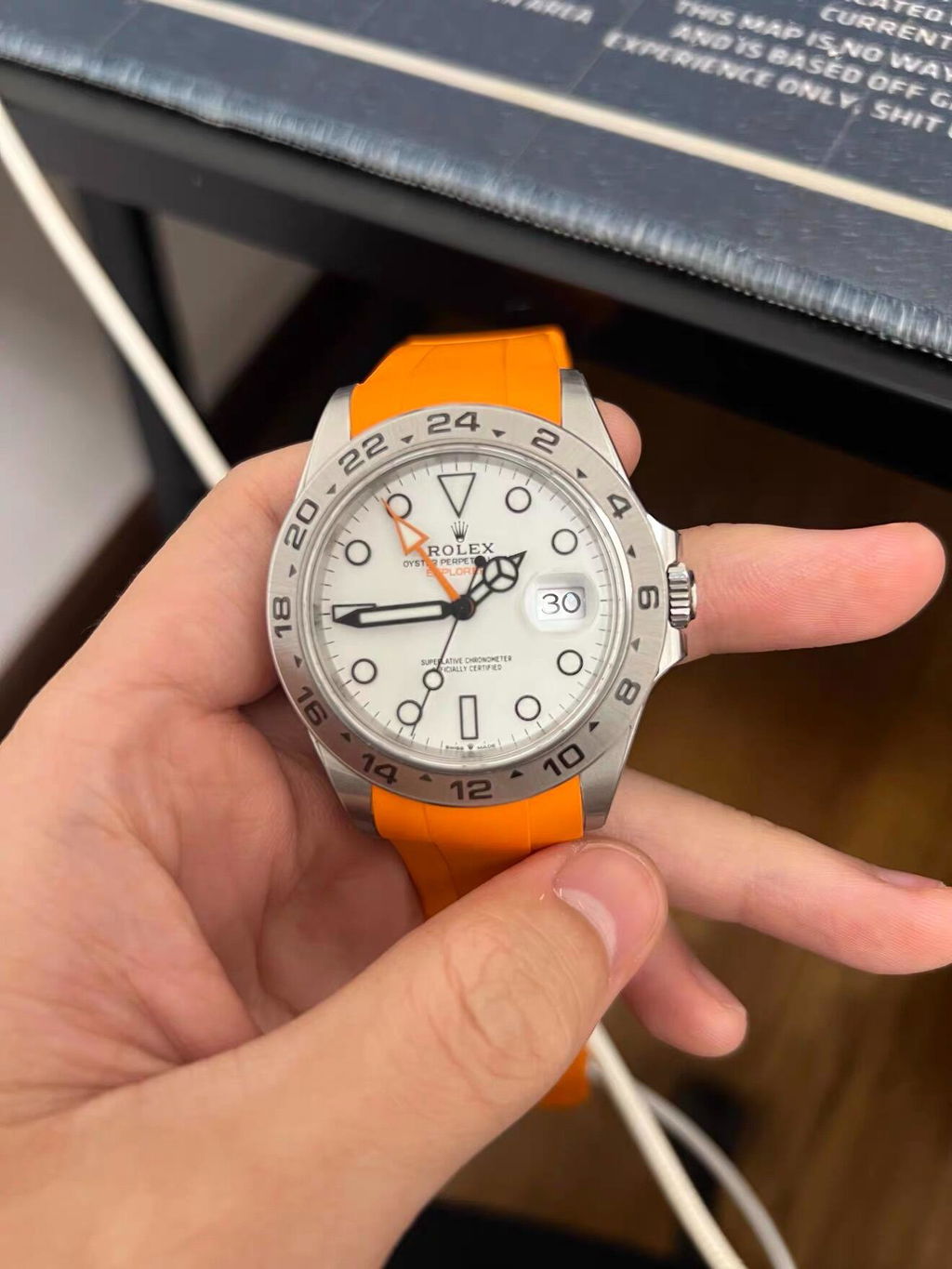
- Explorer
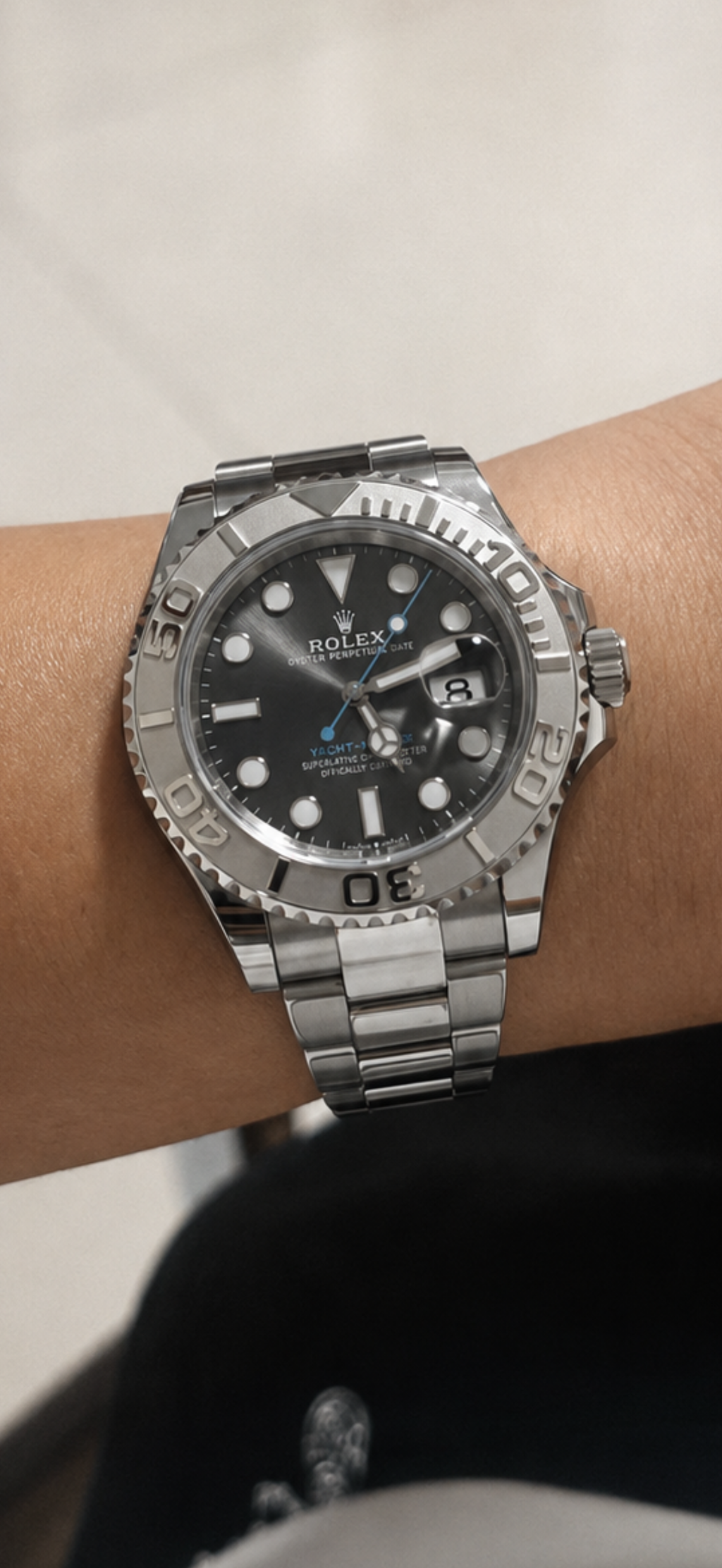
- Yacht-Master
- Sea-Dweller
- Sky-Dweller
Each kit is designed to precisely follow the watch's lines.
The PreserveLayer™ film is:
- transparent;
- discreet once applied;
- UV-resistant under normal use;
- removable without residue.
The goal is to preserve the watch, not to change its appearance.
Frequently asked questions
Does a Rolex scratch easily?
Yes. Like any steel watch, the polished surfaces are susceptible to daily micro-scratches.
Can sapphire glass scratch?
Sapphire glass is very scratch-resistant, but it is not entirely scratch-proof against certain extremely hard materials.
Is the film visible?
Once properly installed, it remains very discreet.
Can the protection be removed?
Yes.
The film is designed to be cleanly removed when it needs to be replaced.
Does the protection change the reflections?
No.
It is developed to preserve the watch's appearance.
What is the best way to protect a Rolex?
The most effective solution is to protect the exposed parts from day one with a transparent film designed for luxury watches.
Conclusion
A Rolex is made to be worn, but that doesn't mean you have to accept scratches as inevitable.
By protecting the most exposed areas from day one, it is possible to permanently preserve the watch's original finishes while fully enjoying its daily use.
For owners who wish to limit polishing and preserve their watch's aesthetic condition, ChronoSkin PreserveLayer™ offers a discreet, reversible solution specifically developed for luxury watchmaking.