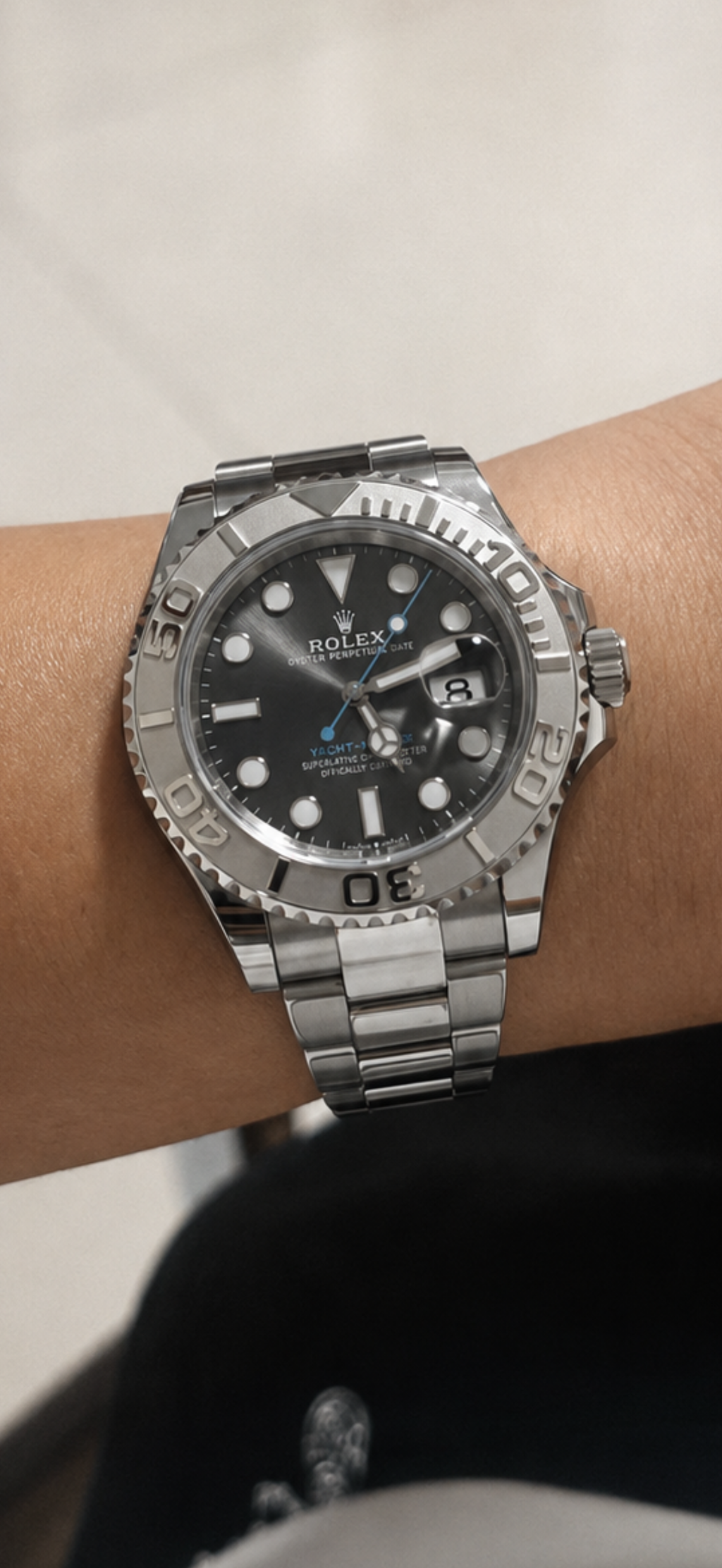
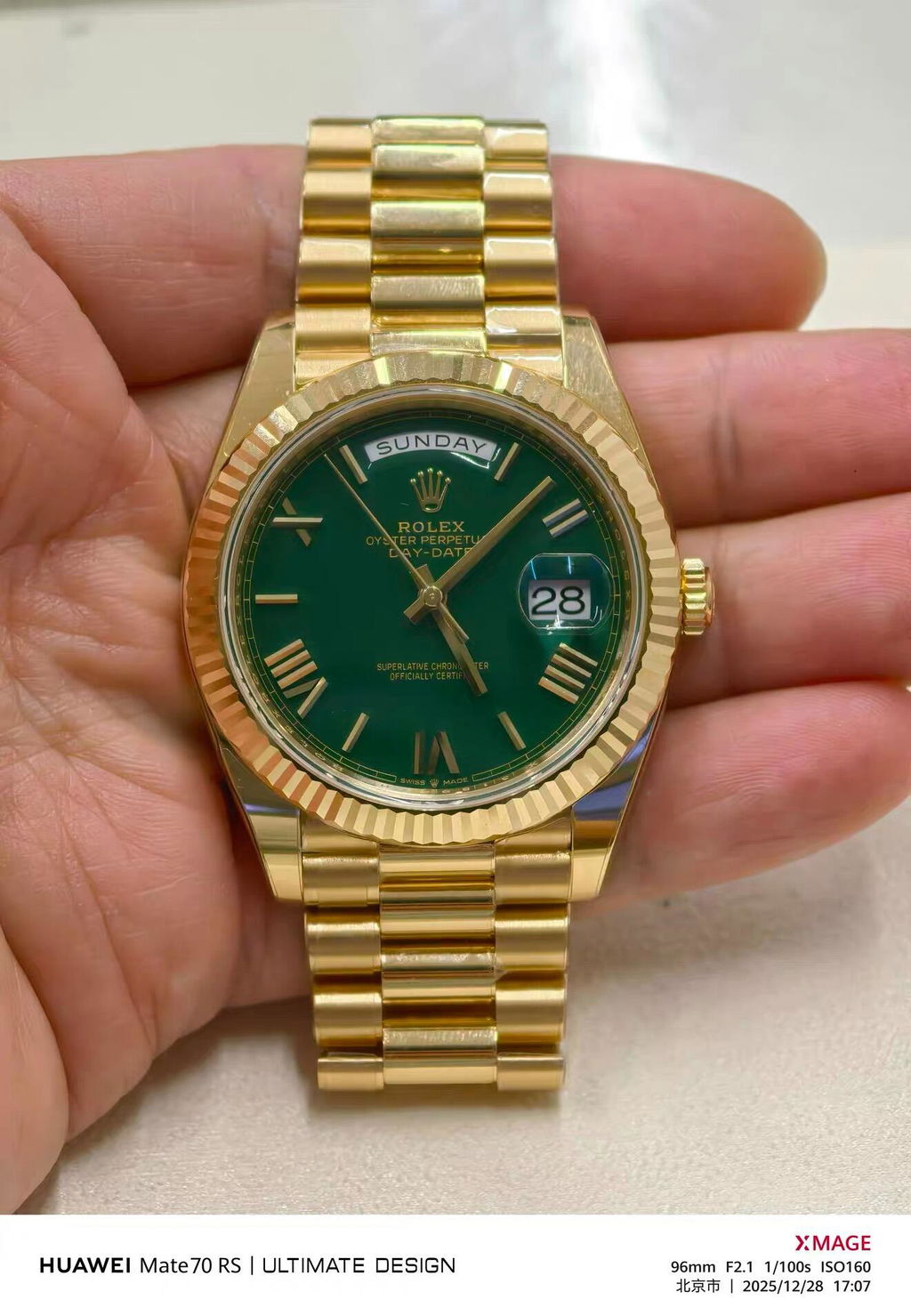
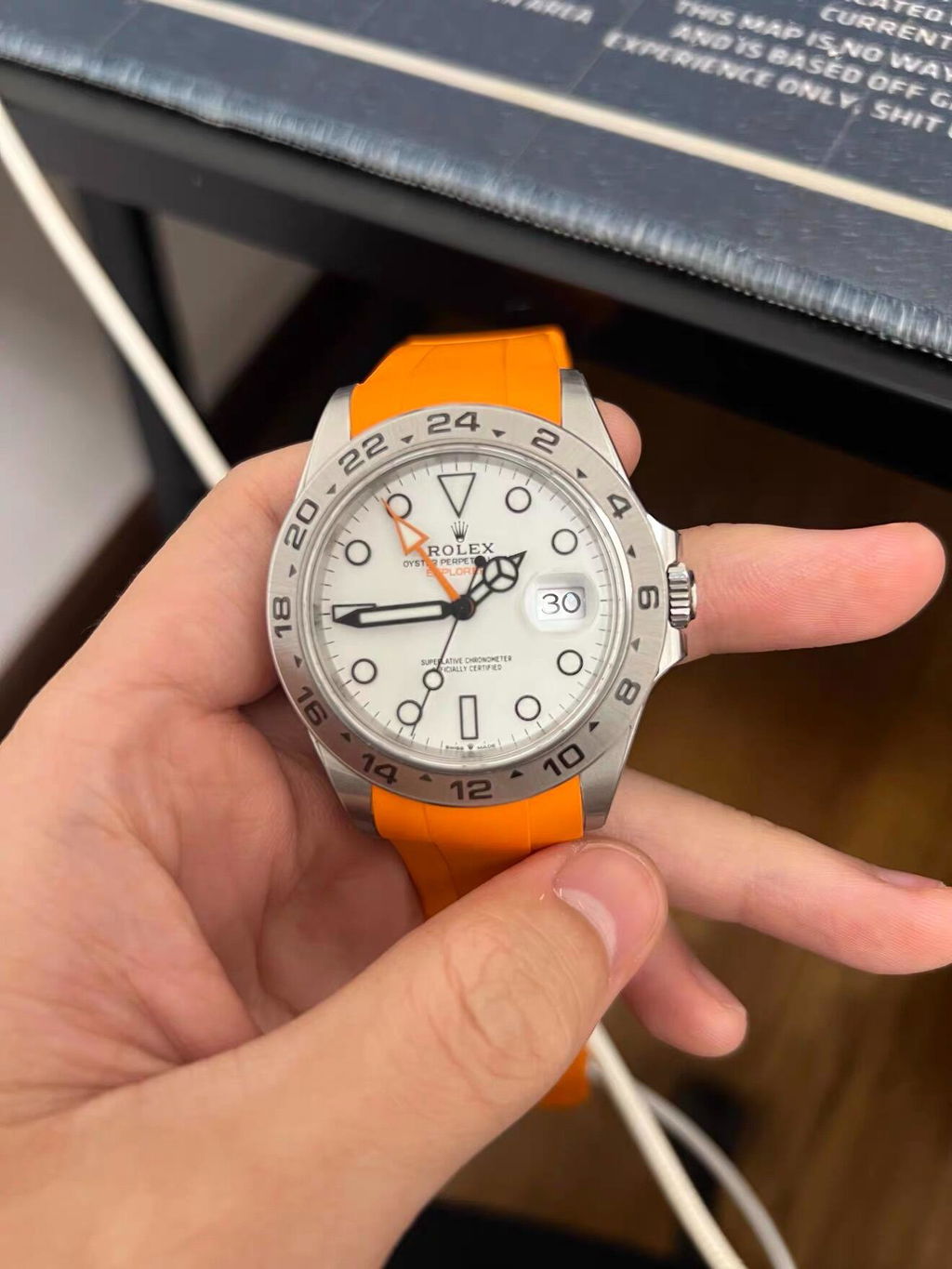
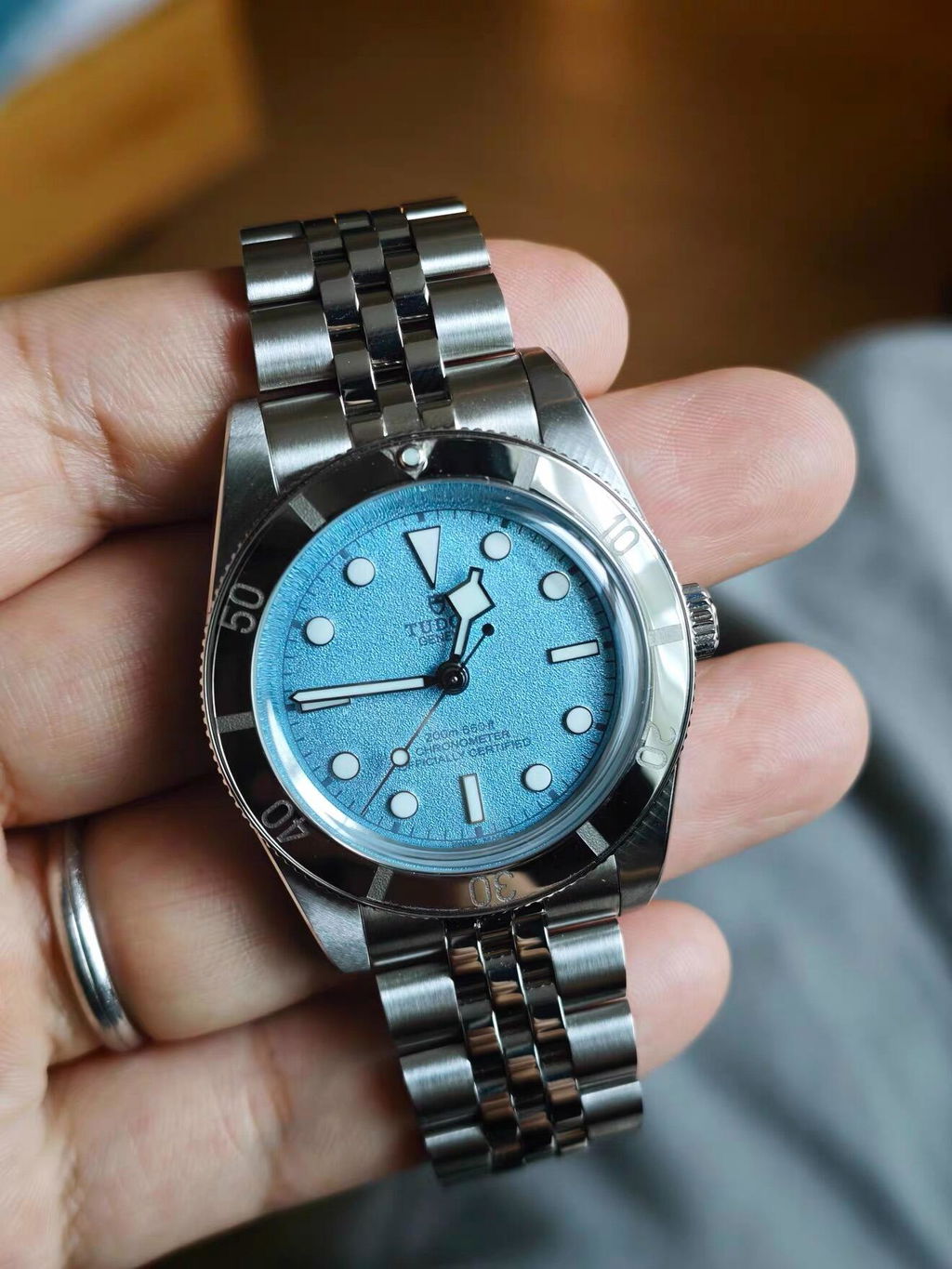
Watch polishing or protection: the right choice to preserve its value
Short answer
Polishing and protection do not address the same need. Polishing can correct some existing scratches, but it alters the watch's material and finishes. Protection, on the other hand, acts preventatively: it helps preserve the watch's condition before the first micro-scratches appear.
Summary in 3 points
-
Polishing is a corrective solution: it intervenes after scratches have appeared.
-
Protection is a preventive solution: it limits micro-scratches before they mark the watch.
-
For a luxury watch worn regularly, the best strategy is often to protect the watch when it is new, still in good condition, or after professional polishing.
Introduction
A scratch on a luxury watch quickly raises a question: should it be left as is, polished, or should it have been protected beforehand?
On a Rolex, Tudor, Omega, Cartier, or Patek Philippe, this decision doesn't just concern appearance. It also affects the watch's overall condition, its finishes, and sometimes its future value.
Polishing and protection are often compared, but they don't have the same role. Polishing corrects. Protection preserves.
What is watch polishing?
Watch polishing is an intervention performed to reduce or remove certain visible marks on the case, bracelet, or clasp.
It can restore shine to a marked watch, especially when done by a qualified professional. However, polishing is not just a simple aesthetic operation: it directly affects the surface of the material.
Does polishing remove material?
Yes. Polishing removes a thin layer of material to reduce surface marks.
This is why polishing must be done with caution, especially on a luxury watch. Too frequent or poorly executed intervention can alter the edges, case lines, angles, or certain brushed and polished finishes.
What are the advantages of polishing?
Polishing can be useful when a watch is already marked or has visible scratches.
Its main advantages are:
-
improving the overall appearance of the watch;
-
reducing some superficial scratches;
-
restoring shine to a watch worn regularly;
-
accompanying a complete overhaul by a professional.
Polishing can therefore be relevant, but it always intervenes after the appearance of marks.
What are the limitations of polishing?
Polishing does not always return a watch exactly to its original condition.
Its main limitations are:
-
it removes a thin layer of material;
-
it can alter angles if the intervention is excessive;
-
it cannot be repeated indefinitely;
-
some finishes are difficult to reproduce perfectly;
-
on certain sought-after watches, the unpolished condition can be valued by collectors.
Polishing can improve appearance, but it does not replace preserving the original condition.
What is watch protection?
Watch protection is a preventive solution designed to limit the appearance of micro-scratches on the most exposed areas.
ChronoSkin uses a 150-micron / 0.15 mm PreserveLayer™ film, designed to discreetly protect the watch without altering its appearance, reflections, or the pleasure of wearing it.
The goal is not to repair a scratch, but to prevent everyday marks from settling in too quickly.
Polishing vs. protection: what are the differences?
| Criterion | Polishing | ChronoSkin Protection |
|---|---|---|
| Time of intervention | After scratches | Before scratches |
| Objective | Correct appearance | Preserve condition |
| Type of approach | Corrective | Preventive |
| Impact on material | Removes a thin layer | Does not alter the watch |
| Repetition | To be limited | Replaceable if needed |
| Ideal for | Watch already marked | New, recent, or polished watch |
| Main risk | Alteration of lines if poorly executed | Installation to be done with care |
| Vision | Repair | Preservation |
When to choose polishing?
Polishing can be relevant when the watch is already heavily marked, after several years of use, or during a complete overhaul performed by a professional.
It can also be considered after significant aesthetic damage, when scratches are already visible and the owner wishes to improve the overall appearance of the watch.
When to choose protection?
Protection is particularly suitable in three situations:
-
When the watch is new.
-
When the watch is still in excellent condition.
-
After professional polishing, to preserve the new condition obtained.
In these three cases, the objective is the same: to maintain the watch's current condition for as long as possible.
Can protection replace polishing?
No. Protection does not replace polishing on an already scratched watch.
Polishing corrects existing marks. Protection helps reduce the appearance of new micro-scratches. The two solutions can therefore be complementary, but they do not intervene at the same time.
The best strategy to preserve a luxury watch
The best strategy is to avoid waiting until the watch is too marked.
Many owners think about protecting their watch after the first real scratch. However, the best time to act is often before: when the watch is still new, clean, well-preserved, or freshly polished.
Protecting a watch isn't refusing to wear it. On the contrary, it's being able to wear it with more peace of mind, while preserving its condition.
Conclusion
Polishing and protection do not address the same problem.
Polishing corrects an existing mark. Protection helps prevent that mark from appearing.
For a luxury watch worn regularly, the real question is therefore not just: "should I polish my watch?"
The real question is rather: "how can I preserve its condition before I need to?"
Preserve your watch's condition before the first real scratch.